Lobster Script Embroidery Font: A Designer's Market Review
As an embroidery designer preparing for a weekend craft fair, every font I choose is a deliberate investment. It needs to translate from a digital file on my screen to a tangible, sellable product on a crowded market table. Today, I'm reviewing the Lobster Regular Embroidery Font - Small for this exact purpose. My evaluation isn't just about aesthetics; it's about practicality, production speed, and visual impact in a bustling sales environment.
First Impression: Bold Elegance with Retro Charm
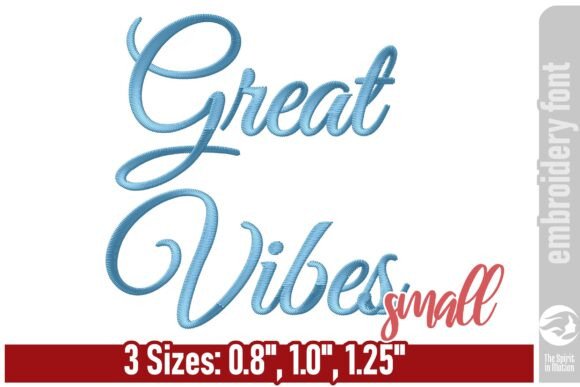
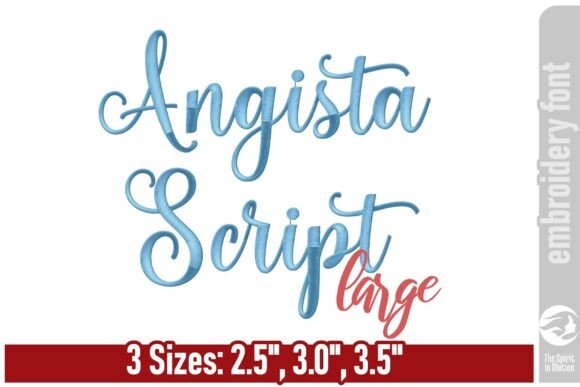
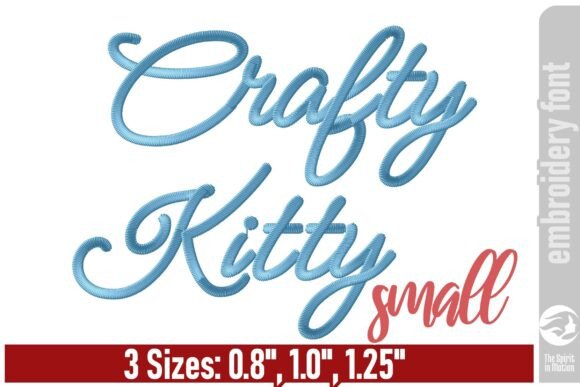
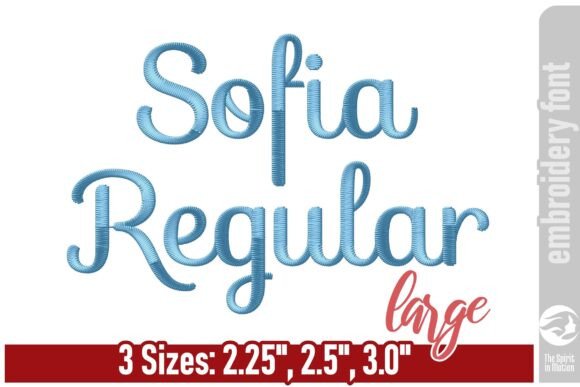
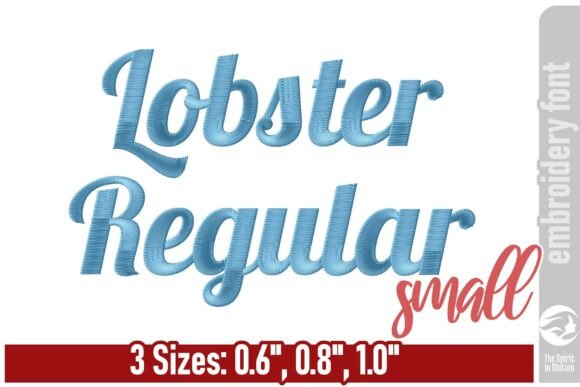
The Lobster Script Embroidery Font presents itself with a confident, playful elegance. Its smooth, connected curves give it a flowing, retro-inspired charm that feels both timeless and current. This isn't a delicate, fussy script; it's bold. That boldness is its greatest asset for handmade products. From a distance across a booth, text embroidered with Lobster Regular Embroidery Font - Small will be legible and engaging. It doesn't whisper; it announces. The style straddles categories beautifully—it can lean vintage on a tea towel, feel modern on a minimalist tote, or add a touch of whimsical elegance to a child's patch.
Craft Fair Products: Where Lobster Script Shines
My booth display is a mix of functional and decorative items: tote bags, aprons, tea towels, caps, patches, pillow covers, and small fabric pouches. Lobster Regular Embroidery Font - Small has specific strengths within this lineup.
On tote bags and market bags, this font is a winner. The bold strokes and connected letters create a cohesive, professional-looking phrase or name that customers notice immediately. It looks intentional and designed, not just typed, which elevates the perceived value of the bag.
For aprons and kitchen towels, the retro charm plays perfectly into the farmhouse and home chef trends. A single word like "Bake" or "Gather" embroidered on a pocket or hem using this font becomes a strong focal point. It photographs exceptionally well for Etsy listings, where that clear, stylish text is crucial for online sales.
Embroidered patches and caps present a more interesting challenge. The connected nature of Lobster Script means it works best as a full word or short phrase. On a curved cap surface, a longer sentence might distort, but a short, bold team name or slogan would look fantastic. For patches, it creates a unified, premium look compared to blockier fonts.
Pillow covers and giftable pouches allow this font to be more decorative. A name or a single evocative word embroidered with Lobster Regular Embroidery Font - Small becomes a soft, elegant accent. It feels personal and artisanal, which is exactly the handmade quality customers seek at fairs.
Practical Production for the Busy Maker
Turning a digital embroidery file into a batch of craft fair products requires efficiency. Here’s my practical take on production with Lobster Regular Embroidery Font - Small.
The "Small" designation in the title is a critical note. This likely indicates it's optimized for smaller hoop sizes and, consequently, smaller applications. This is perfect for accent embroidery on pouches, towel corners, or patch designs. However, for a large focal design on a tote bag, you'd want to confirm the design scales well or look for a larger version. The smooth curves and consistent stroke weight suggest good stitch economy—it shouldn’t create overly dense, time-consuming stitch areas that slow down batch production.
Fabric and texture are key considerations. This bold script will perform well on standard cotton, canvas, and linen. On textured towels or looped fabrics, you must use the correct stabilizer to maintain the clarity of those smooth curves. For dark fabrics, high-contrast thread colors are essential to preserve the font's elegant definition.
As a small shop owner, repeatability matters. Lobster Regular Embroidery Font - Small, due to its clear, consistent form, is excellent for creating a cohesive line of products. You can embroider the same stylish font on a tote, a towel, and a patch, creating a strong, recognizable brand presentation on your booth table.
Essential Designer Checks Before Hooping Fabric
- Always test on scrap fabric first. Run the embroidery file on the exact material you plan to use—a textured tea towel versus smooth cotton canvas behaves differently.
- Check thread contrast. See how the design reads with your chosen thread on both light and dark background fabrics.
- Review letter spacing and clarity at your intended size. Even a bold script can lose detail if stitched too tiny on a thick fabric like cap material.
- Confirm your hoop size is appropriate for the design's intended scale on the final product.
- Inspect stitch density in the file preview. Balanced density ensures smooth production and prevents fabric puckering.
- Create at least one physical mockup of your best product idea. How does it feel in hand? Does it catch your eye from three feet away?
- If selling finished products, always confirm the commercial licensing terms for the embroidery file before production.
Why Lobster Script Font Boosts Booth Sales
A craft fair is a visual competition. Lobster Regular Embroidery Font - Small helps your products compete. Its bold elegance creates a point of focus. A customer scanning a table will lock onto a clean, well-executed script on a tote bag. It signals quality and deliberate design, which justifies a higher price point than a plain item.
It enhances product value through perceived craftsmanship. The connected, flowing letters look expertly crafted, not machine-generated. This supports the handmade story we all tell. For brand consistency, using a distinctive, attractive font across multiple items makes your booth look professional and curated, increasing buyer engagement and trust.
In the end, my review as a professional embroidery designer is positive. The Lobster Regular Embroidery Font - Small is a versatile, commercially appealing machine embroidery design. Its bold, retro-charm character is legible, photogenic, and practical for batch production on a range of popular craft fair products. With careful testing and the right fabric applications, it can become a standout asset in your handmade product lineup, turning digital embroidery files into tangible sales.