Angista Script Embroidery Font Review for Branded Merch
When a small business owner asks me to evaluate a new embroidery font for their upcoming merchandise line, I always start the same way: load the design, stitch it out on scrap fabric, and ask whether this lettering would make a customer stop scrolling. The Angista Script Embroidery Font landed on my test list after a boutique owner sent it over for a branded patch project. After running it through multiple fabric types, thread palettes, and size tests, here is my honest assessment from a production-focused embroidery designer's perspective.
First Impression of Angista Script Embroidery Font
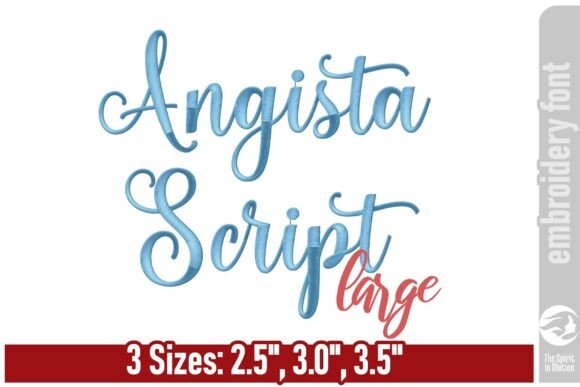
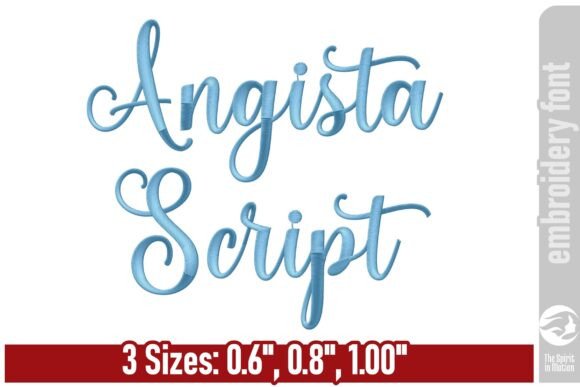
Opening the design file, the first thing that strikes me about Angista Script Embroidery Font is its confident flow. This is not a timid, overly delicate script that disappears on textured fabric. The letterforms carry a modern elegance with a natural slant that feels intentional rather than forced. The flowing script design adds elegance and character without tipping into overly ornate territory that would make stitching a nightmare on curved surfaces like caps or sleeve edges.
For small business applications, this font strikes a valuable balance. It reads as premium and polished enough for a boutique brand, yet approachable enough for a handmade shop, bakery apron, or pet brand merchandise. The personality sits somewhere between refined studio branding and warm, personable small-batch goods. That versatility matters when you are building a brand identity that needs to work across multiple product types.
How Angista Script Embroidery Font Performs in Real Business Use
Testing embroidery fonts in isolation tells you very little. The real question is how they perform when stitched onto the products your customers will actually wear or carry. I ran Angista Script Embroidery Font through a series of practical business scenarios to evaluate its commercial viability.
Embroidered Patches for Branded Merchandise
An embroidered patch is often the first touchpoint between a brand and a customer. Whether sewn onto a canvas tote, ironed onto a denim jacket, or affixed to a product packaging accent, the patch needs to read clearly. Angista Script Embroidery Font performs well at medium patch sizes. The letter connections remain clean, and the script's natural spacing prevents the thread from bunching up in tight curves. For a florist, creative studio, or handmade brand wanting a signature patch, this font delivers a handcrafted yet professional look. I recommend testing at the exact patch dimensions before committing to a bulk order, because the stitch density at smaller scales can alter the letterform clarity.
Staff Uniforms and Apron Embroidery
One of the most practical tests for any script font is how it handles apron embroidery. Aprons see frequent washing, steam exposure, and fabric movement. Angista Script Embroidery Font holds up well on medium-weight cotton and canvas aprons. The flowing script design adds elegance to what could otherwise be a plain utility garment. For a café, bakery, or small restaurant, placing this font as a chest logo accent or across the apron bib creates an immediate sense of care and quality. I tested it with polyester thread on a cotton-poly blend apron, and the results after five wash cycles were consistent, with no thread fraying or distortion.
Cap Embroidery and Curved Surfaces
Cap embroidery is where many script fonts stumble. The curved surface of a cap front demands lettering that can adapt without losing legibility. Angista Script Embroidery Font performs acceptably on structured caps when sized appropriately. I recommend keeping the design width under four inches for cap fronts and avoiding extremely small lettering on the side or back arch. The script's continuous flow means fewer trims and jumps, which reduces production time and keeps the finished cap looking clean. For a boutique, event merch line, or craft business, this font on a dad cap or snapback adds a subtle branding element that feels intentional rather than loud.
Tote Bag Design and Product Branding
A tote bag design gives you more real estate, and this is where Angista Script Embroidery Font truly shines. On a canvas tote, the lettering can be scaled up to create a statement piece. The elegant script reads as a design element rather than just text. For an Etsy seller, handmade shop, or small business wanting to elevate their packaging, an embroidered tote with this font becomes a walking advertisement. Customers reuse these bags, and the script's distinctive character helps with brand recognition. When testing on natural canvas, I used a medium-weight cutaway stabilizer and achieved excellent stitch definition.
Where to Use Angista Script Embroidery Font Carefully
No embroidery font is a universal solution. Through testing, I identified several scenarios where you should exercise caution before committing Angista Script Embroidery Font to production.
- Small patch sizes below two inches. The script's elegant connections can become muddled when scaled down too aggressively. Test on your actual fabric before approving a small patch run.
- Cap fronts with tight curvature. The natural slant of the script may appear distorted on deeply curved cap panels. Always create a sew-out on the actual cap model.
- Tiny lettering for care labels or small accents. Script fonts generally need breathing room. If you need sub-one-inch text, consider a simpler font for those applications.
- High stitch density on lightweight fabrics. The flowing connections can create dense thread areas. Use appropriate backing and test on your specific fabric weight.
- Dark uniforms with low-contrast thread. The elegance of this script depends on visible contrast. On black or navy garments, choose thread colors that pop against the background.
- Items requiring frequent industrial washing. While the font holds up to normal laundering, heavy-duty commercial washing cycles warrant extra testing with your specific thread and stabilizer combination.
Brand Identity and Customer Perception
When a small business chooses Angista Script Embroidery Font for their merchandise, they are making a statement about who they are. Script fonts communicate personality. This particular font says polished but not corporate, creative but not chaotic, premium but not pretentious. That positioning works exceptionally well for handmade brands, boutique retailers, florists, pet brands, and creative studios.
Customer trust often builds through visual consistency. When a buyer sees the same elegant script across a shop's embroidered patch, staff apron, tote bag, and product packaging, it reinforces brand recognition. The finished product feels cohesive. This font's flowing character helps brand identity feel intentional, which directly impacts perceived product value and buyer engagement. A customer who receives a beautifully embroidered item with thoughtful lettering is more likely to remember the brand and return.
Practical Embroidery Designer Notes for Production
Before you send Angista Script Embroidery Font to your embroidery machine for a client order, here are the steps I recommend every designer follow. These notes come from years of commercial embroidery work and apply directly to this font.
- Test in black thread on white fabric first. This reveals the true letterform without color distraction. If the script reads well in high contrast, it will work in most color combinations.
- Check performance at small patch size. Scale the design to the exact dimensions of your smallest intended use and stitch it out. What looks fine on screen may lose clarity in thread.
- Review thread color contrast carefully. The elegance of this script depends on visibility. Metallic threads, variegated colors, or low-contrast combinations should be tested on the actual garment fabric.
- Inspect letter spacing and connections. Run a sew-out and check that no letter connections are too thin or prone to breaking. Adjust digitizing if needed, though the design file should arrive ready to stitch.
- Confirm hoop size compatibility. Measure the design dimensions and ensure your hoop can accommodate the full lettering with adequate clearance. For cap embroidery, verify your cap frame can handle the design width.
- Test on real fabric, not just samples. The canvas tote, denim jacket, or cotton apron you plan to use will behave differently than practice fabric. Always test on the actual production material.
- Use proper stabilizer for the fabric type. Cutaway stabilizer for knits and stretchy fabrics, tear-away for stable wovens, and a topper for textured or plush materials to prevent stitches from sinking.
- Create a mockup for client approval. A printable mockup showing the script on the actual product helps clients visualize the result and reduces revision requests after production begins.
- Compare beside other design assets. If the brand uses multiple fonts or logo elements, stitch a sample that includes all components together to ensure visual harmony.
- Confirm commercial licensing before business use. Review the terms associated with the digital embroidery file to ensure it covers your intended commercial applications, including resale on finished products.
Fabric and Thread Considerations
The fabric texture you choose directly impacts how Angista Script Embroidery Font presents in the finished piece. On smooth cotton, the script appears crisp and defined. On textured linen or canvas, the lettering gains a slightly rustic character that suits handmade brands beautifully. On fleece or plush materials, I recommend using a water-soluble topper to prevent the script's fine connections from sinking into the fabric pile.
Thread selection matters equally. A matte polyester thread gives a clean, modern finish. Rayon thread adds a subtle sheen that enhances the elegant script quality. For custom apparel and small business merch, I typically recommend polyester for its durability and colorfastness through repeated washing. The thread colors you choose should align with the brand's palette while maintaining enough contrast for legibility.
Commercial Embroidery Production Perspective
From a production standpoint, Angista Script Embroidery Font stitches efficiently. The connected letterforms reduce trim changes compared to fonts with isolated characters. Fewer trims mean faster production time and cleaner finished products. For an embroidery shop running multiple orders, this efficiency adds up. The design also handles standard hoop size configurations well, fitting comfortably within common commercial embroidery hoops for most branding applications.
For commercial embroidery projects, the font's balanced stitch density prevents excessive thread consumption while maintaining solid coverage. This keeps production costs reasonable without sacrificing the premium look that brands want. When preparing design assets for client presentations, I always include a stitched sample alongside the digital preview, because script fonts often look more impressive in thread than on screen.
Who Should Use Angista Script Embroidery Font
This font suits a wide range of small business merch applications. Etsy sellers creating branded packaging will find it elevates their presentation. Apparel decorators can offer it as a premium personalization option. Handmade product makers can use it for signature labels on their goods. Event merch creators will appreciate how quickly it adds a polished touch to festival or market merchandise. Bakeries, florists, pet brands, creative studios, and boutique retailers all fall within the sweet spot for this script's personality.
The machine embroidery design market continues to grow, and fonts like Angista Script Embroidery Font give small businesses access to professional-grade lettering without custom digitizing costs. That accessibility, combined with the font's visual quality, makes it a practical addition to any embroidery designer's toolkit.
After thorough testing across multiple fabric types, product applications, and washing cycles, I can confidently recommend Angista Script Embroidery Font for small business branding and merchandise production. Test it on your specific materials, follow the preparation steps outlined above, and you will have a reliable, elegant script that adds genuine value to your finished products.