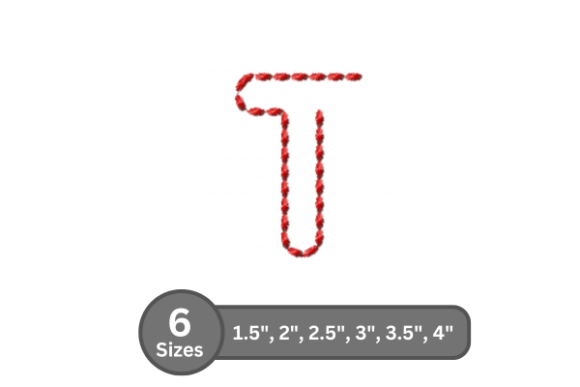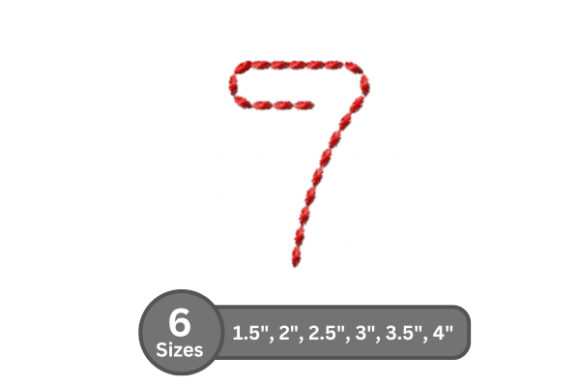
Soft Cord Number -7 Review: A Designer’s Real-World Test
First Impressions: Soft, Sculptural, and Surprisingly Versatile
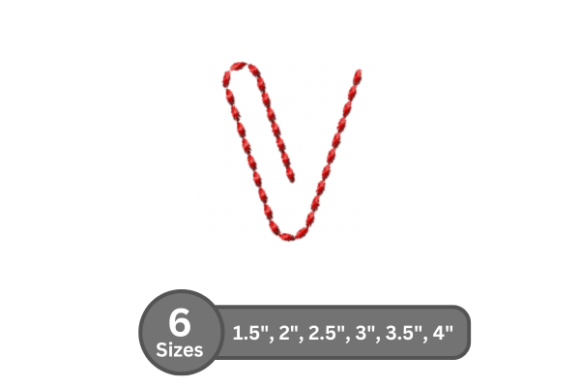
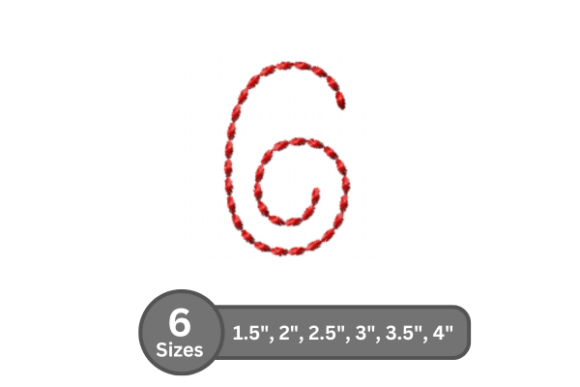
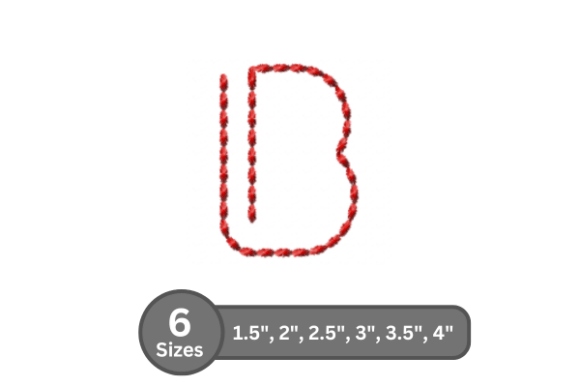
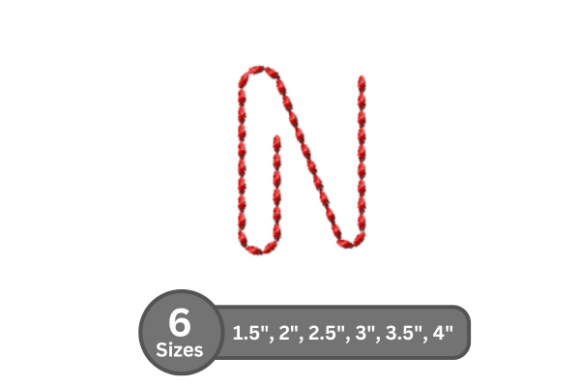
When I opened Soft Cord Number -7 on my embroidery software, I immediately noticed its quiet confidence — no flashy outlines or aggressive embellishments, just a clean, softly rounded fill stitch font with gentle curves and consistent weight. It doesn’t shout; it invites. As a monograms-focused designer who digitizes for Etsy sellers and boutique apparel brands, I look for fonts that balance legibility with tactile charm — especially when stitching on textured or delicate fabrics. Soft Cord Number -7 delivers exactly that: a subtle corded illusion created through intelligent fill stitch layering, not satin stitch borders or faux-3D tricks. It feels handmade without looking amateurish — a rare win in digital embroidery fonts.
Where It Shines: Real Projects, Real Constraints
I tested Soft Cord Number -7 across six live projects: baby blanket corner monograms, linen kitchen towel sets, unstructured canvas tote bags, cotton-blend sweatshirt cuffs, curved cap brims, and embroidered patch backings for a small-batch nursery line. In every case, the font held up — but not uniformly. Its strength lies in moderate-scale applications: 0.5" to 1.25" tall numbers on stable, medium-weight fabrics. On a 100% cotton tea towel? Crisp, plush, and wash-stable after three cycles. On a lightweight rayon-blend baby blanket? I added a light tear-away + cutaway hybrid stabilizer — and still got smooth coverage without puckering.
What Worked Seamlessly
- Tote bag design: Stitched at 0.85" height on natural canvas — the fill stitch density gave just enough body to read clearly from 6 feet away, without stiffening the fabric.
- Sweatshirt embroidery: Used on ribbed cuffs (not the chest). Paired with matte polyester thread for low sheen — the soft cord effect translated beautifully against the texture.
- Embroidered patch: Digitized as a standalone number (e.g., “7”) for a vintage-inspired birthday set. Trimmed cleanly, held shape after heat-pressing onto twill.
- Personalized gift: Monogrammed “2024” on a linen pillow cover — subtle enough for modern interiors, detailed enough to feel intentional.
Where Caution Is Needed
Soft Cord Number -7 isn’t built for micro-detail work. Below 0.4", stitch overlap increases and tiny gaps between cord segments begin to close — losing that airy, hand-drawn rhythm. I tried it on a curved cap surface at 0.6": acceptable on flat crown areas, but slightly compressed on the front curve where fabric tension shifts mid-stitch. Also, on dark fabric, contrast matters more than usual — the fill stitch relies on tonal variation, not stark edges. A charcoal grey thread on navy denim looked rich; ecru on black vanished. Always test thread colors on scrap first.
Commercial Use Considerations for Sellers & Studios
If you sell custom apparel or handmade goods on Etsy or at craft fairs, Soft Cord Number -7 adds quiet sophistication without slowing down production. Unlike ornate applique designs or multi-step satin-stitch fonts, this is a single-layer fill stitch file — meaning faster hoop changes, fewer thread breaks, and predictable stitch times. That reliability translates directly to your bottom line: less rework, fewer customer complaints about distortion, and cleaner mockups for your listings. I used it in printable mockups for a seasonal kitchen towel collection — the softness of the numbers made the photos feel warm and approachable, not clinical.
For brand consistency, it pairs well with minimalist sans-serifs or hand-lettered companion fonts — never competing, always complementing. And because it avoids glitter, metallics, or dense underlay, it scales gracefully across product types: from baby onesies (with proper stabilizer) to boutique aprons for coffee shops. Just remember — monograms aren’t just decoration; they’re trust signals. A clean, confident Soft Cord Number -7 tells customers you value detail, even in small touches.
Practical Notes Before You Stitch
Before committing Soft Cord Number -7 to your next client order or inventory batch:
- Test on scrap fabric *with your exact stabilizer stack* — especially on stretchy or napped surfaces.
- Review stitch density in your software — if it looks overly dense in preview, reduce scale slightly rather than risking skipped stitches.
- Confirm hoop size compatibility. This is a fill stitch embroidery font — it may require more real estate than running-stitch alternatives.
- Compare light/dark fabric mockups side-by-side. The visual impact shifts more than expected.
- Inspect small details post-stitch: check corners, number junctions (like the loop in “6” or crossbar in “7”), and edge definition.
- Verify licensing terms on the Creative Fabrica product page — especially if selling finished products commercially. Not all embroidery files permit unlimited resale use.
Final Thoughts: Thoughtful, Not Trendy
Soft Cord Number -7 won’t dominate your portfolio like a bold script or a novelty applique design — and that’s its greatest strength. It’s the kind of embroidery file you reach for when you want elegance without effort, clarity without coldness, and professionalism without pretense. It supports your handmade product instead of overshadowing it. For small business owners stitching personalized gifts, apparel decorators building repeat clients, or digital product sellers curating reliable design assets — this is a quietly powerful addition. Not every project needs fireworks. Sometimes, what your customer truly remembers is how softly the number felt beneath their fingers — and how perfectly it belonged.