Rope Twist Number -3: A Seasonal Monogram That Stitches Warmth
First Impressions: Cozy, Nostalgic, and Quietly Festive
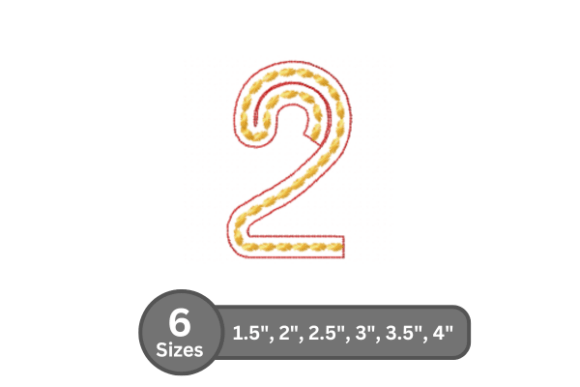
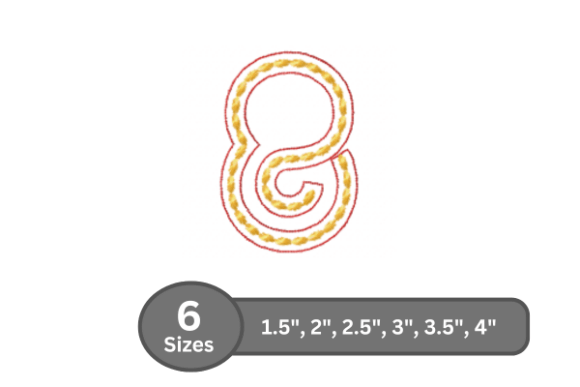
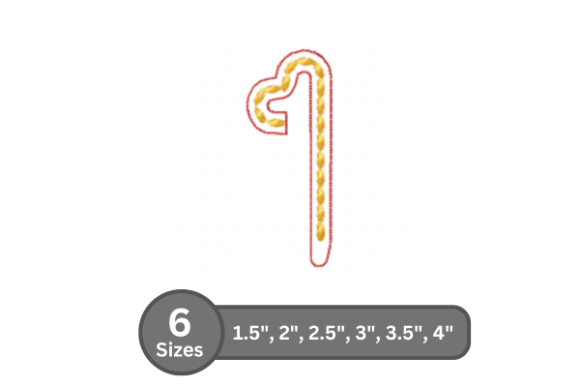
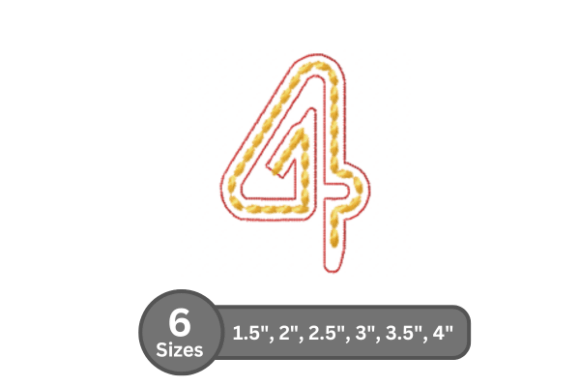
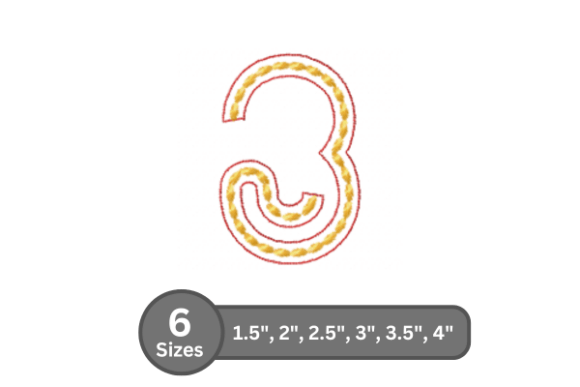
As an embroidery designer who’s built holiday collections for over twelve years, the moment I opened Rope Twist Number -3, I felt that familiar spark — the kind that says, “This belongs on a mug by the fireplace, a baby onesie at Christmas morning, or a linen pillow cover in a winter guest room.” It’s not loud or glittery. Instead, Rope Twist Number -3 carries a gentle, hand-crafted weight — like braided cinnamon rolls, knotted twine on a gift box, or vintage sweater cuffs. The fill stitch execution is smooth and consistent, with subtle rope-like contouring that gives dimension without heaviness. It reads as nostalgic yet refined, rustic but never rough, cozy without sacrificing polish. For seasonal embroidery, that balance is gold.
Where It Shines: Real Holiday Product Scenarios
Rope Twist Number -3 thrives where personalization meets intention — exactly what holiday shoppers seek in handmade gifts. On heavyweight cotton sweatshirts, it anchors family matching sets with quiet confidence. On natural-fiber tote bags, it adds artisanal charm to “2024” or “Grandma’s Kitchen” labels — perfect for craft fair displays or Etsy bundles. For kitchen towel embroidery, its rounded, tactile shape resists visual fatigue after repeated use, and the fill stitch holds up beautifully through laundering when stabilized correctly.
I’ve used Rope Twist Number -3 on embroidered pillow covers for limited-edition holiday home decor drops — pairing “3” with a tiny wreath or “24” beside a snowflake motif. It also works elegantly on aprons (“Est. 2024”), table linens (“Table for 6”), and even delicate baby items like burp cloths or knit caps (with adjusted density and stabilizer). As a monogram-style number font, it invites storytelling: “Our First Christmas — 2024”, “Baby Doe — Born 12.3.2024”, or “The Smith Family — Est. 1987”. That emotional resonance boosts giftability and social media engagement — think Instagram Reels showing the stitch-out on a wrapped gift or a printable mockup layered over a cozy flat-lay.
Where to Proceed With Care
Like any thoughtful machine embroidery design, Rope Twist Number -3 rewards attention to context. Its rope-inspired contours rely on clean stitch definition — so avoid pushing it into very small hoop sizes (under 3” diameter) without testing first. On thick terry cloth towels or heavy canvas, confirm your stitch density isn’t overloading the fabric; a light tear-away + cut-away combo stabilizer usually delivers crisp results. Dark fabrics demand careful thread color selection — matte rayon or polyester in charcoal, burgundy, or forest green often reads richer than black, which can flatten the rope illusion.
Be mindful on stretchy garments (like ribbed knit long-sleeve tees) — the fill stitch benefits from a firm cut-away stabilizer and slower machine speed. Metallic thread? Not recommended here — the fine twist detail can snag or break. And while it stitches beautifully on curved caps, always test on scrap first: the rope contour may require slight digitizing tweaks depending on cap curvature and foam backing.
Seasonal Appeal & Buyer Psychology
Holiday shoppers don’t just buy numbers — they buy meaning, memory, and belonging. Rope Twist Number -3 supports that instinct naturally. It feels *made*, not mass-produced — elevating a simple “2024” sweatshirt into a keepsake. That perception increases perceived product value and strengthens customer trust, especially for small shop owners building repeat buyers. Visually, its distinctive silhouette stands out in crowded Etsy listings or holiday market booths — no two fonts look quite like this rope-wrapped style. When paired with consistent branding (e.g., using Rope Twist Number -3 across all year-dated products), it becomes part of your shop’s visual language — reinforcing recognition and loyalty during high-intent shopping periods.
Practical Designer Notes for Holiday Production
- Always test thread colors on both light and dark fabric swatches — especially for holiday palettes like cranberry, evergreen, ivory, and slate.
- Review stitch density before bulk production — adjust if needed for fabric texture (e.g., reduce density 5–10% for plush towels).
- Confirm hoop size compatibility — most variations of Rope Twist Number -3 fit comfortably in 4×4” hoops, but verify before cutting files for multi-digit sequences.
- Use appropriate stabilizer: medium-weight cut-away for stable fabrics; tear-away + light cut-away for knits; fusible + tear-away for lightweight linens.
- Create realistic mockups — not just digital previews, but stitched samples photographed in natural light, styled with seasonal props (pine sprigs, wool blankets, ceramic mugs).
- Zoom in post-stitch — check rope edges for skipped stitches or thread nesting, especially on tight curves or small numerals like “3” or “8”.
- Plan cohesive color palettes — pair Rope Twist Number -3 with complementary holiday embroidery motifs (e.g., holly berries, minimalist trees, woven ribbon borders).
- Verify commercial licensing before selling finished products — ensure your digital embroidery file permits resale of physical goods, especially for Etsy seller compliance and wholesale partnerships.
Final Thought: A Quiet Anchor in Your Seasonal Lineup
Rope Twist Number -3 won’t shout from the shelf — but it will linger in the mind. It’s the kind of seasonal embroidery that earns repeat use across years, not just one holiday. Whether you’re launching a limited-run “Family First Christmas” collection or building a signature line of personalized kitchen textiles, this monogram-style number font brings warmth, craftsmanship, and quiet distinction. In a market flooded with flashy fonts and over-digitized trends, Rope Twist Number -3 reminds us that sometimes, the most powerful holiday statement is stitched softly — with rope, reverence, and real care.