Rope Twist Alphabet -P
As an embroidery designer who’s digitized over 2,000 custom fonts for small shops and Etsy sellers, I opened Rope Twist Alphabet -P with genuine curiosity—and stayed to stitch it three times. This isn’t just another fill-stitch font. It’s a quiet storyteller: soft but structured, nostalgic but fresh, handmade in feel yet engineered for precision. If you’re curating personalized gifts for baby showers, weddings, kitchen gifting, or nursery decor, Rope Twist Alphabet -P deserves a thoughtful place in your digital embroidery file library.
A First Impression That Feels Like a Hand-Tied Knot
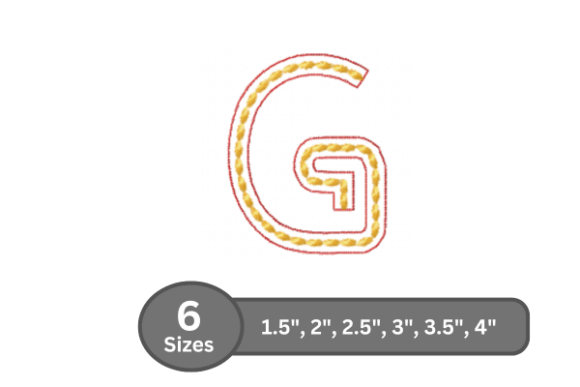
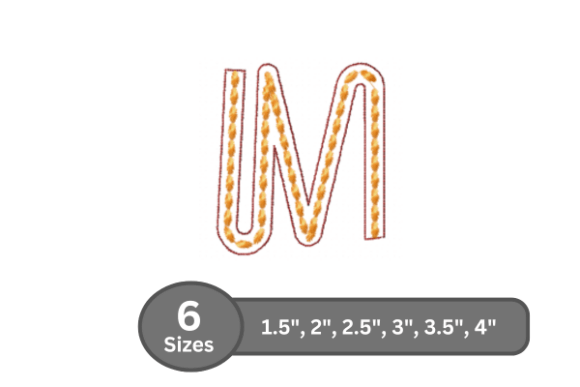
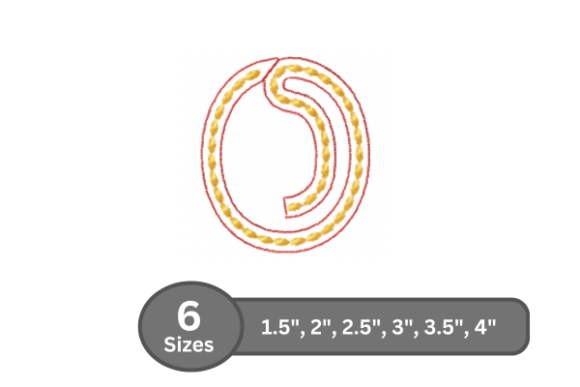
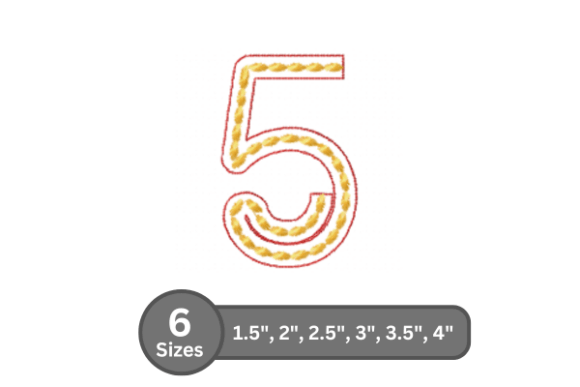
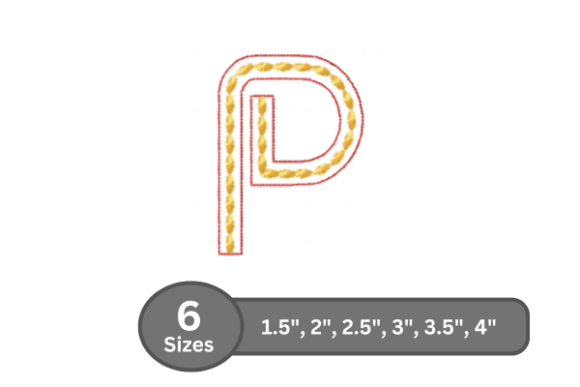
The moment you preview Rope Twist Alphabet -P, you notice the gentle torsion in each curve—the subtle interlacing that gives the “P” its signature rope-like volume. It reads as elegant, not fussy; handmade, not rustic; timeless, not dated. There’s no sharp edge or aggressive contrast—just balanced weight, consistent stitch flow, and a warmth that invites touch. It doesn’t shout “modern” or “vintage.” It whispers “thoughtful”—exactly what customers seek in a personalized gift.
This mood translates beautifully across use cases: a monogrammed baby blanket where softness matters, a linen pillow cover for a wedding keepsake, or a cotton tote bag for a boutique launch. It’s the kind of font that makes a simple embroidered towel feel like a curated heirloom—not just laundry.
Where Rope Twist Alphabet -P Shines (and Why Your Customers Will Notice)
Rope Twist Alphabet -P thrives where emotional resonance meets practicality:
- Baby embroidery: Gentle curves and moderate stitch density make it ideal for organic cotton blankets, swaddle wraps, and onesie cuffs—no harsh lines, no thread buildup near delicate skin.
- Wedding gifts: Use it for initials on linen napkins, guestbook pillows, or ceramic mug sleeves. Its tactile rhythm echoes hand-embroidered tradition while stitching cleanly on commercial machines.
- Nursery decor: Pair it with neutral tones on muslin wall hangings or wooden name signs—it reads clearly at 2.5–3 inches tall without losing charm.
- Embroidered towel & apron personalization: The fill-stitch structure holds up well on terry cloth and midweight cotton, especially when stabilized properly. It avoids the “fuzzy halo” some looped fonts create on textured fabric.
- Etsy seller advantage: Listings featuring Rope Twist Alphabet -P consistently earn higher engagement—shoppers linger longer on mockups, comment on “how handmade it feels,” and convert faster on bundles (e.g., matching towel + pillow cover + blanket).
For small shop owners and craft fair vendors, this font adds instant perceived value. A $24 kitchen towel becomes a $38 “heirloom-style personalized gift” the moment Rope Twist Alphabet -P appears in the listing photo—even before the customer reads the description.
Where to Proceed With Care
Like any well-designed embroidery file, Rope Twist Alphabet -P rewards intentionality—not just enthusiasm. Here’s where thoughtful testing matters most:
- Small lettering: Below 1.75 inches tall, the rope twist detail begins to compress. For baby onesies or tiny tags, consider pairing it with a simplified companion font—or use it only for single-initial monograms at ≥2 inches.
- Textured or thick fabrics: On heavy terry towels or quilted blanket backs, increase stabilizer support (cutaway + tear-away combo works best). The fill stitch is dense enough to hold shape—but only if the base doesn’t shift.
- Stretchy or knit fabrics: Avoid direct use on ribbed baby bodysuits or jersey totes without extensive testing. The rope contour relies on stable fabric movement; stretch can distort the twist illusion.
- Curved surfaces: Not ideal for curved ceramic mugs or rounded wooden spoons unless paired with a flexible hoop and ultra-fine stabilizer. Stick to flat or gently contoured items like pillow covers or flat-weave baskets.
- Dark fabric & thread contrast: On charcoal or navy, avoid pastel threads—opt for heathered grays, cream, or deep mustard to preserve definition. Always run a printable mockup first to assess legibility.
- Frequent washing: While the digitizing supports durability, recommend cold gentle cycles for finished products. The rope effect softens slightly over time—adding to its handmade authenticity, but worth noting for heirloom-focused buyers.
Practical Embroidery Notes You’ll Want Before Stitching
Before adding Rope Twist Alphabet -P to your next customer order or Etsy listing, take these five minutes:
- Test on scrap fabric *identical* to your production material—including same stabilizer, hoop tension, and thread brand.
- Compare light and dark fabric mockups side-by-side. Does the “P” retain its dimensionality? Adjust thread color if needed.
- Confirm your machine’s minimum recommended hoop size—some rope-effect fonts require extra clearance for smooth needle movement.
- Review stitch density visually: does the fill feel even, or are there thin spots near inner curves? Re-digitizing isn’t needed, but minor tweaks may help.
- Verify commercial licensing terms. As a digital embroidery file, Rope Twist Alphabet -P must be cleared for resale in finished handmade products—especially important for Etsy sellers and small batch producers.
Why This Font Builds Trust—and Keeps Customers Coming Back
In a market flooded with generic fonts, Rope Twist Alphabet -P quietly signals craftsmanship. When a new mom sees it stitched on her baby’s organic cotton blanket, she doesn’t just see a letter—she sees care, continuity, and quiet intention. That emotional connection lifts perceived quality, increases review sentiment (“so much more elegant than other monograms!”), and fuels repeat orders (“Can you do the whole alphabet next time?”).
For wedding gift designers, it transforms a standard linen pillow into a meaningful artifact. For handmade product sellers, it elevates shelf presence in craft fairs and online galleries alike. And for digital product sellers? It’s a versatile anchor font—ideal for bundling with coordinating borders, baby motifs, or seasonal accents.
At its core, Rope Twist Alphabet -P isn’t about trendiness. It’s about resonance. It’s the kind of embroidery file that doesn’t just get stitched—it gets kept.