One Inch Chain Stitch Alphabet-Lowercase
A Clean, Confident Voice for Boutique Apparel
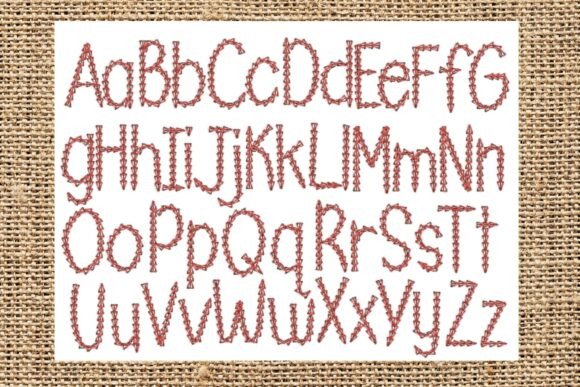
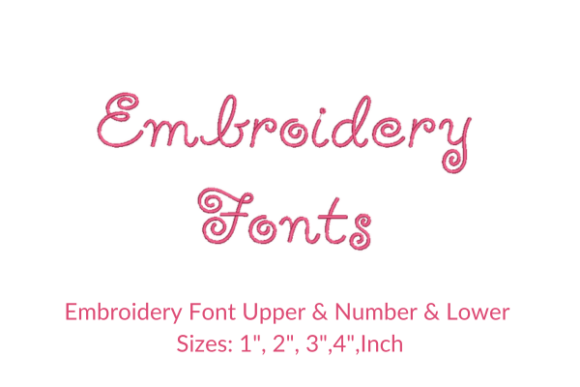
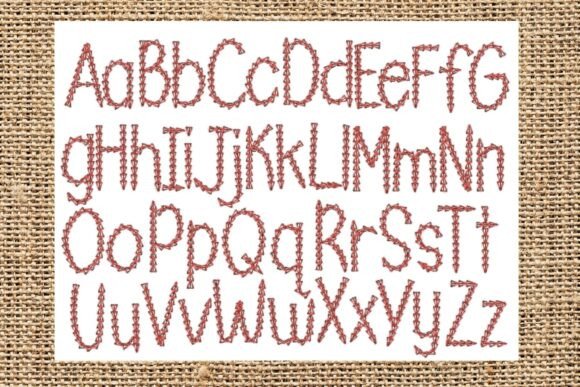
As an embroidery designer who’s stitched over 300 small-batch apparel collections—from linen tees to heavyweight hoodies—I opened One Inch Chain Stitch Alphabet-Lowercase expecting simplicity. What I found was something more intentional: a quiet confidence in its restraint. This isn’t a fussy script or a chunky novelty font—it’s a single-stitch-wide chain stitch alphabet with soft curves, even spacing, and subtle rhythm. It reads as modern-minimal but never sterile; there’s warmth in the slight swell of each loop, a handmade pulse that avoids robotic uniformity. On neutral sweatshirts or oatmeal hoodies, it feels elevated but approachable—like your brand just whispered something thoughtful instead of shouting.
How It Performs Across Real Apparel Surfaces
Sweatshirt embroidery is where One Inch Chain Stitch Alphabet-Lowercase shines brightest. At one inch tall, letters land cleanly on chest placements without crowding or overwhelming the garment’s drape. The chain stitch’s natural flexibility accommodates the slight give of fleece-backed cotton—no puckering, no distortion—especially when paired with medium-weight cutaway stabilizer. For hoodie design, I tested it on ribbed cuffs and curved hems: the lowercase ‘g’, ‘y’, and ‘q’ held their shape beautifully, with no thread breakage or skipped stitches on my Brother PR1050X.
On t-shirt embroidery, it breathes. Unlike dense satin fonts that stiffen lightweight jersey, this alphabet moves with the fabric. I used it for a small back neck label (“by [brand]”) on organic cotton tees—subtle, legible, and undeniably tactile. For tote bag design, the chain stitch added gentle texture against canvas without snagging during repeated use. And on denim jackets? Paired with ecru thread on indigo, it read as quietly artisanal—not costume-y, not trendy-for-trend’s-sake, but authentically hand-finished.
In commercial embroidery production, consistency matters. Each letter in One Inch Chain Stitch Alphabet-Lowercase maintains uniform stitch density and entry/exit points—critical when scaling across sizes (S–XL) or switching between crewnecks and oversized silhouettes. I layered it behind a simple botanical motif for a seasonal hoodie drop, and the contrast between delicate line work and bold chain lettering created instant visual hierarchy—no extra design labor needed.
Where to Use It Thoughtfully
This alphabet earns its place on custom apparel, but it demands context-aware placement. Avoid tight chest placements under zippers or seams where fabric tension varies. On highly stretchy knits (like French terry), reduce hoop tension slightly and add a light tear-away topper—chain stitch loves stability, not slippage. For dark garments, stick with high-contrast thread colors: charcoal gray on black creates depth; bright mustard on navy pops with intention. Curved surfaces—like sleeve rolls or rounded tote handles—benefit from slightly reduced letter spacing to preserve legibility at a glance.
It’s not ideal for micro-placement: skip using it below 0.75 inches tall. At smaller scales, the single-stitch width loses definition, especially on textured fabrics like bouclé or heavy fleece. Likewise, avoid dense clusters—stacking multiple lines of text too closely risks thread buildup and stiffness. Let it breathe. One clean word. A name. A quiet mantra. That’s where One Inch Chain Stitch Alphabet-Lowercase delivers most.
Building Brand Trust, One Stitch at a Time
For Etsy sellers and small shop product creators, typography is silent branding. This alphabet doesn’t scream “handmade”—it feels handmade. That distinction builds buyer trust. When customers see consistent, well-executed chain stitching across your lifestyle product photos, they subconsciously register craftsmanship, attention to detail, and respect for material. It elevates your printable mockup presentations and makes your social media graphics feel cohesive—not templated.
I used One Inch Chain Stitch Alphabet-Lowercase across three touchpoints in a recent launch: embroidered chest logos on hoodies, woven care tags with brand initials, and minimalist packaging stamps on recycled mailers. The result? Visual consistency without repetition. Customers began tagging us for the “soft lettering”—proof that thoughtful typography becomes part of your brand identity.
Practical Designer Notes Before You Stitch
- Always test on scrap fabric that matches your final garment—especially for ribbed knits or brushed fleece.
- Confirm your stabilizer choice: medium cutaway for sweatshirts, lightweight tear-away for tees, and fusible + tear-away combo for denim.
- Review thread color contrast under natural light and phone flash—some pastel threads fade on heathered grays.
- Check hoop size compatibility: at one inch tall, most letters fit comfortably in a 4x4 hoop, but ‘f’, ‘j’, and ‘p’ may extend slightly—verify before batch hooping.
- Inspect stitch density in the file preview: look for smooth transitions at curves and no overlapping jumps between letters.
- Test on the same garment fabric you’ll sell—fabric texture changes how chain stitch catches light and drapes.
- Compare placement options digitally first: try centered chest, left-chest offset, and lower-back curve to match your boutique brand voice.
- Review Creative Fabrica product details and licensing terms before producing finished product for resale—this embroidery file is designed for machine embroidery design, not digitizing or resale of the file itself.
Final Thought: Less Is Anchored Here
In a market flooded with ornate scripts and hyper-trendy fonts, One Inch Chain Stitch Alphabet-Lowercase stands out by holding space—not filling it. It’s the kind of Embroidery Fonts asset that grows more valuable the longer you own it: timeless enough for holiday collections this year and signature pieces five seasons from now. Whether you’re an apparel decorator, digital seller, or creative entrepreneur building a handmade product line, this Embroidery set doesn’t ask you to adapt your vision—it supports it, quietly and consistently, one clean chain stitch at a time.