Cross Stitch Embroidery: A Designer’s Business Review
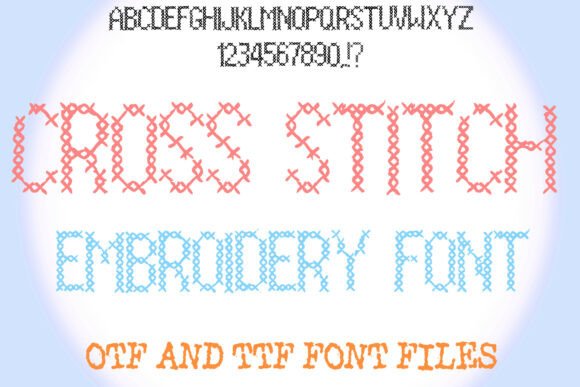
When a small business owner reaches out to me about branding their first run of merchandise, my first question is always what kind of feeling do you want your customer to walk away with? The answer often points toward handmade, approachable, personal, and a touch nostalgic. That’s exactly the space where Cross Stitch Embroidery lives. This isn’t a standard block letter font. It’s a sewing style alphabet built from the visual language of cross stitches, and it brings a genuine handcrafted texture to every single character. For patches, caps, aprons, and tote bags, it’s a design asset that immediately signals warmth, care, and a small batch mentality.
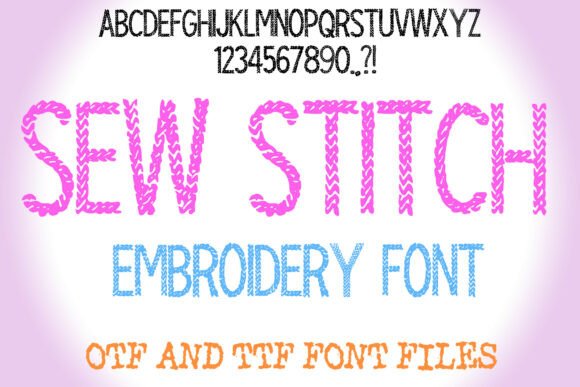
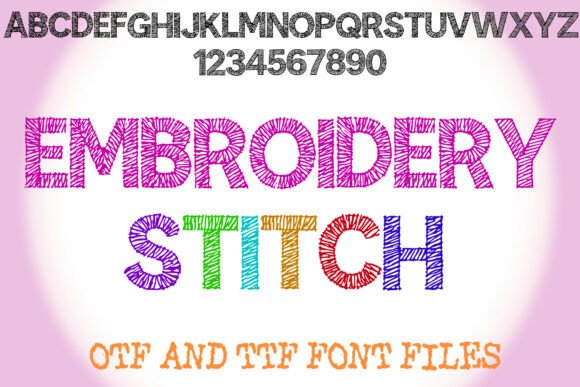
Right away, I noticed the quirky, slightly uneven rhythm of the letterforms. The description says it’s a handwriting lettering ABC text font, and that’s accurate. You can build your own words, colour them to your vision, and the result feels like something stitched by hand on a quiet afternoon. That’s a huge advantage for any brand wanting to avoid a polished, corporate look. The personality is playful yet genuinely decorative, and it offers a point of difference that a clean sans serif simply can’t match.
First Impressions: Handmade Charm Meets Brand Identity
Opening the font file, the first thing I test is always legibility. Cross Stitch Embroidery surprised me. Even though the letters are formed from a series of small cross-like marks, the overall shape of each character remains clear. The font feels friendly, rustic, and slightly whimsical, but not childish. It could easily belong on a bakery’s flour sack apron, a florist’s sleeve patch, or a handmade soap label. The decorative nature of the stitching makes it ideal for brand identity pieces that rely on a sense of craft and human touch.
I ran a few test words through my embroidery software. Because the font is built around a cross stitch motif, it naturally suggests a stitched finish. That’s a conceptual win. Your customer sees the embroidery and immediately understands the handmade promise. For a small business merch line, this kind of instant recognition is gold. It builds trust before anybody reads the actual text.
Real Business Use: From Patches to Apron Embroidery
I can see this font working beautifully across a range of commercial projects. Let’s break down exactly where it performs best and what to watch out for in production.
Embroidered Patches That Sell
Patches are a massive revenue stream for Etsy sellers, craft businesses, and streetwear brands. Cross Stitch Embroidery gives a patch the look of a hand-sewn collectible. Because the letters already mimic cross stitch texture, the finished patch appears layered and rich, even on a flat background. I’d recommend testing the design at various patch sizes. A single word like “bloom” on a 2.5-inch round patch stitches out beautifully. Three words on a 1.5-inch patch may lose the detail. The stitch density of the font itself isn’t something I can assume, so always run a sew-out on fabric before committing to a full order. Check your thread colors carefully. The quirky letterforms love a contrasting thread that lets the cross stitch effect pop. A muted tone on a dark uniform can vanish, so always test with your chosen thread palette.
Staff Uniforms and Aprons
For a café, bakery, or boutique, an embroidered chest logo using this font adds a tonne of personality. Picture a barista apron with a single word—“brew”—stitched in a warm mustard thread over the heart. The cross stitch appearance makes the uniform feel less like a corporate requirement and more like a team badge. The same goes for tote bags. A small floral shop can use the font to spell out their name on a canvas tote, and the product instantly becomes a walking advertisement that feels artisanal rather than promotional.
Caps and Curved Surfaces
Cap embroidery demands careful design placement. The curved front panel can distort detailed lettering. With Cross Stitch Embroidery, I’d stick to short words or initials. The letterforms themselves are built from small, repeating elements, so they can handle a mild curve better than a delicate script. Still, test your spacing. If the font is tightly kerned, increase the letter distance slightly before digitising. A three-letter monogram on the side of a cap looks fantastic. A full business name across the front might crowd the seam and look messy. Always mock up the design on a cap template before production.
Tote Bags and Product Labels
Linen totes, canvas pouches, and even fabric product labels love this font. The cross stitch style naturally complements textured fabric. When you use it on a rustic woven tote, the design feels like it grew there. For a handmade business, adding a branded label with this font turns a simple product into a gift-ready item. The decorative nature of the letters means you can use just one word and still create a strong visual impact. I’ve used similar fonts for soap packaging bands, fabric tags, and even tea towel corners. The key is to keep the word count low and the letter height generous enough for the stitch pattern to read clearly.
Where to Use Cross Stitch Embroidery Carefully
No design is perfect for every situation. As a professional embroidery designer, I always flag potential trouble spots for my clients. Here’s what demands extra attention with this font.
- Small patch sizes and tiny lettering: The cross stitch detail can blur or lose definition below 0.5 inch in height. Always do a sew-out at the intended size.
- Cap fronts and curved seams: The font’s decorative nature can warp if stretched over a centre seam. Digitise with a slight arc to compensate.
- High stitch density concerns: Because the font mimics cross stitch, the digitised file may have a higher stitch count than a simple satin stitch. Test on your fabric to avoid puckering.
- Textured fabrics and dark uniforms: The lettering relies on contrast. On a heavily textured background, the cross stitch effect can get lost. A dark polo shirt needs a bright, solid thread colour.
- Frequent washing: If the stitch density is high, and the stabilizer is insufficient, the letters can shift over time. Use a quality cut-away stabilizer and check washing durability.
How Cross Stitch Embroidery Builds Brand Identity
Your brand is a feeling. When a customer sees your embroidered patch or custom apparel, they immediately decide whether your product feels premium, trustworthy, and worth the price. Cross Stitch Embroidery communicates a very specific set of values: handmade quality, attention to detail, and a personal touch. It’s not a generic, off-the-shelf look. That means your merchandise stands out in a sea of bland promotional items.
For a small business, consistency is everything. Using this font across your product packaging accents, customer gifts, and event merch creates a visual thread that ties your brand together. The font’s quirky personality makes it memorable. A customer who receives a tote bag with their name stitched in this cross stitch style will remember the experience. That emotional connection drives repeat sales and word-of-mouth marketing. This is the kind of finished product that people photograph and share on social media, which is free advertising for any maker.
Practical Embroidery Designer Notes
Before you hit “send” on a production order, here’s my workflow checklist for any project using Cross Stitch Embroidery. These steps save time, money, and disappointment.
- Test in black and white first. Print the design on paper at actual size. If it reads well without colour, it will work in thread.
- Check the smallest intended patch size. Create a digital embroidery file at that exact dimension and sew a sample. The cross stitch effect needs breathing room.
- Review thread color contrast. Choose a thread that highlights the stitch texture. A variegated thread can add a beautiful handmade effect, but test it on the fabric.
- Inspect spacing and kerning. The font’s quirky nature may include uneven spaces. Adjust manually in your embroidery software before digitising.
- Confirm hoop size. Make sure your design fits comfortably within your machine’s hoop. A too-tight placement can cause registration issues.
- Test on real fabric. The same design sews differently on denim, canvas, jersey, and twill. Always test on the exact fabric of your final product.
- Use proper stabilizer. For dense cross stitch designs, a cut-away stabilizer prevents distortion. For caps, use a firm backing and a topper if needed.
- Create a printable mockup for client approval. Show exactly how the lettering will sit on the garment. This prevents misunderstandings about scale and placement.
- Compare beside other design assets. If you’re pairing this font with a logo icon, make sure the styles complement each other. The decorative font shouldn’t fight with a complex illustration.
- Confirm commercial licensing. The product description doesn’t specify license terms, so always verify that you can use this font on merchandise you sell. Check with the seller before investing in production.
Is Cross Stitch Embroidery Right for Your Business?
If your brand identity relies on a handmade, personal, and slightly nostalgic aesthetic, this font is a strong candidate. The Decorative category tag is fitting, but it’s not just about looking pretty. The design works hard for a business by conveying authenticity and care. For a bakery, a pet brand, a florist, or a craft studio, the cross stitch lettering becomes a signature. It’s a Fonts asset that translates directly into embroidery, and the time you save on custom digitising a similar effect from scratch is significant.
However, it’s not for every brand. If your business is ultra-modern, minimalist, or industrial, this font might feel out of place. But for a creative studio or a handmade shop, it’s a near-perfect match. The ability to create your own words and colour them opens up endless possibilities for seasonal products, limited edition drops, and personalised gifts. I’ve used similar fonts for wedding favour tags, holiday market merch, and boutique employee uniforms. Each time, the customer feedback was overwhelmingly positive.
In the end, Cross Stitch Embroidery is a design asset that invites the customer into a story. That story is about small batch production, real craft, and a business that cares enough to choose a font that feels like it was stitched by hand. For a small business merch line, that emotional value is everything. Test it, mock it up, and sew it out. I think you’ll find it becomes a go-to tool for your branded embroidery projects.